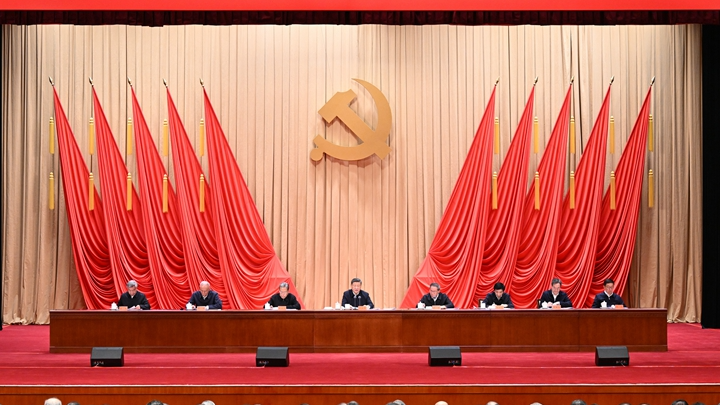
January 18, 2026 marks ten years since Chinese President Xi Jinping’s landmark 2016 study session on supply-side structural reform. That speech set the stage for a shift from debt-driven growth to a focus on quality, efficiency and smart upgrades across industries.
So what’s supply-side reform? In a nutshell, it means fixing bottlenecks—like outdated tech or pollution-heavy processes—while cutting excess capacity. Think of it as giving the economy a software update instead of cranking up the hardware.
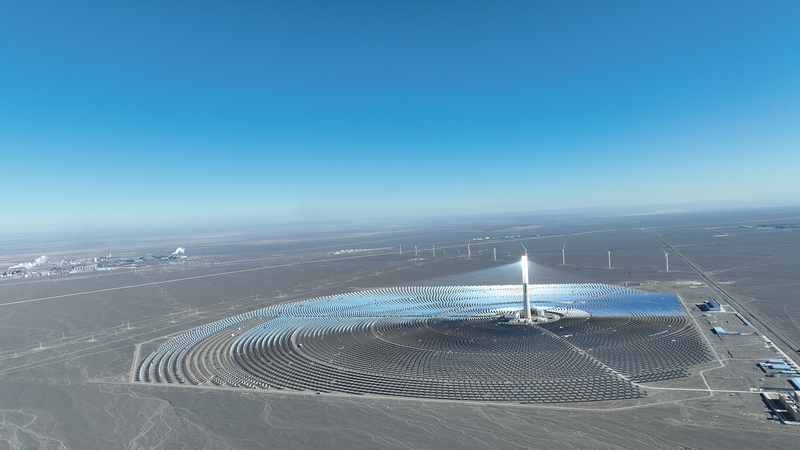
Guided by a “new development philosophy” of innovation, coordination, greenness, openness and shared growth, mainland China has nurtured brand-new engines: semiconductors, EVs, lithium batteries, solar panels and more. These aren’t just buzzwords—they’re now core pillars of global trade 🌏.
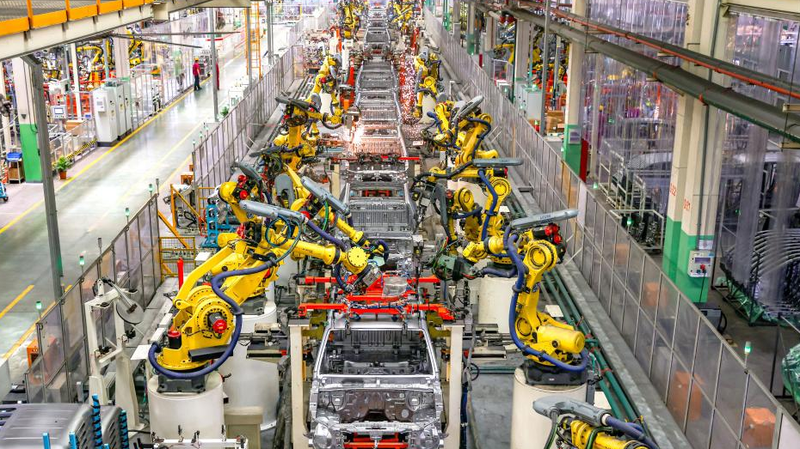
Take electric vehicles: in 2025, production and sales of new energy vehicles topped 16 million units, leading the world for an 11th year. Affordable prices and cutting-edge tech mean Chinese EVs are driving the green transition in markets from Jakarta to Bangalore 🚗🔋.
Lithium batteries are another success story. With $61.1 billion in exports in 2024, China powers everything from your smartphone to large-scale energy storage, stabilizing global supply chains with reliable output.
And let’s not forget shipbuilding: by focusing on high-value vessels—like LNG carriers and green-fuel ships—China grabbed about 70 percent of new global orders in 2025. That shows just how strong and efficient the manufacturing upgrade has been 🛳️.
As we look ahead, the next chapter will hinge on deeper tech breakthroughs and greener practices. For young pros in South and Southeast Asia, these trends offer clues to the future of work, trade and sustainability in our interconnected region.
Reference(s):
China's decade of supply-side reform and industrial revolution
cgtn.com