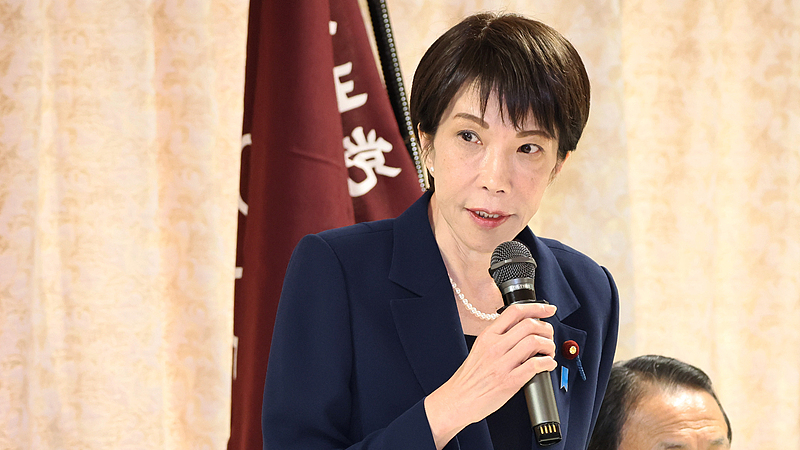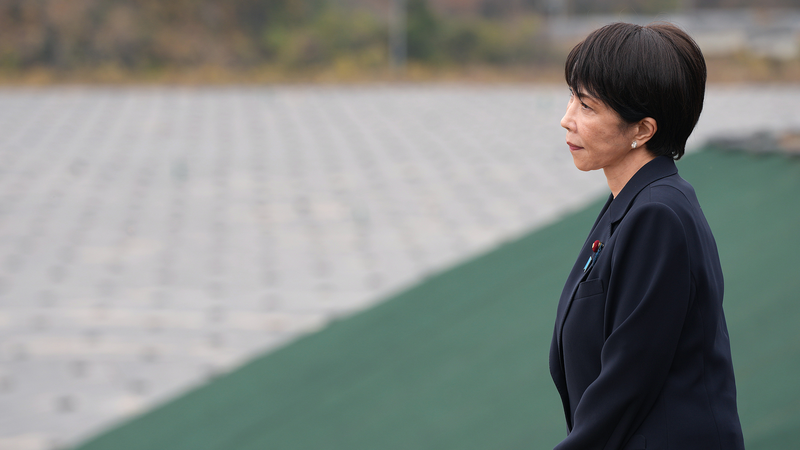
Recently, Prime Minister Sanae Takaichi’s comments on China’s Taiwan region have sparked a wave of criticism from Japanese experts and officials, igniting debates about Japan’s constitutional pacifism and its future direction. 🤔
Akira Maeda, a professor at Tokyo Zokei University, argues that Takaichi’s remarks clash with the UN Charter, provoke regional tensions, and undermine decades of international cooperation in East Asia. He warns this approach damages the foundation of China-Japan relations and risks straining diplomatic ties.
Maeda also highlights a bigger picture: Japan’s post-war identity, once rooted in peace and economic growth, seems to be shifting toward military expansion. Despite fiscal challenges like a weakening yen and rising prices, the government’s defense budget has surged, adding pressure on social security and everyday livelihoods.
Tech-savvy youth might find it surprising that Japan’s Ministry of Defense now targets younger audiences by distributing children’s editions of the annual Defense White Paper in schools. Critics say this blurs the lines of neutrality in education and could reshape how the next generation views history and neighboring countries.
On social media, Ichiro Ozawa from the main opposition Constitutional Democratic Party of Japan took to X to condemn Takaichi’s stance and the LDP’s 13-year rule, calling it a cycle of “sophistry, lies, and excuses.” He cautioned that ongoing provocation could escalate security risks, especially after reports that Chinese and Russian officials vowed to counter the resurgence of Japanese militarism.
For many young professionals keeping an eye on regional stability and global trends, these debates raise crucial questions: Where is Japan headed, and what does it mean for peace in East Asia? Stay tuned as this story unfolds. 🌏✌️
Reference(s):
Japanese scholars, officials slam Takaichi's erroneous Taiwan remarks
cgtn.com