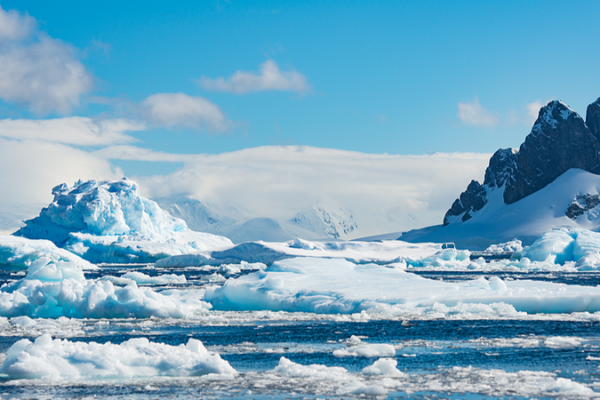
Iceberg A23a Nears Final Breakup: Could Vanish in Weeks?
A23a iceberg has shrunk from 4,170 km² to 506 km² per satellite data on Jan 14, 2026. Driven by hydrofracturing and warm seas, it could disappear within weeks.
News That Embraces Insight and Understanding
A23a iceberg has shrunk from 4,170 km² to 506 km² per satellite data on Jan 14, 2026. Driven by hydrofracturing and warm seas, it could disappear within weeks.
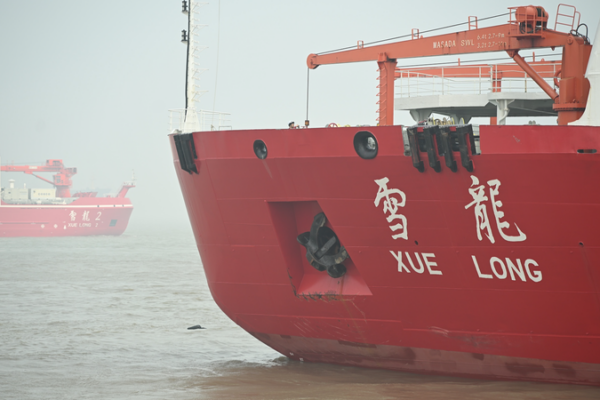
China’s icebreaker Xuelong sets off on its 42nd Antarctic expedition to the Amundsen Sea, using advanced tech to study marine ecosystems & climate change.

European researchers opened the first global ice core vault in Antarctica to protect frozen climate records before glaciers disappear.

China’s Qinling Station in Antarctica runs on self-developed green tech—from cold-tolerant solar panels to water recycling—showing sustainable innovation in extreme conditions.
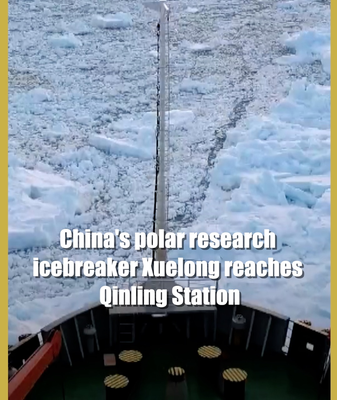
China’s Xuelong icebreaker docks at Qinling Station with 1,400 tonnes of supplies, marking the 42nd Antarctic expedition and boosting critical climate research.
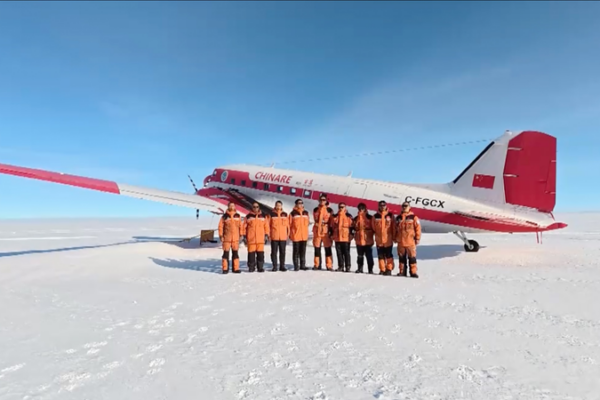
China’s 42nd Antarctic expedition team is kicking off 2026 at Zhongshan Station, advancing key polar research and sending New Year greetings from the icy south.
Mainland China’s lawmakers kicked off the first reading of a draft law to regulate activities and boost environmental protection in Antarctica.
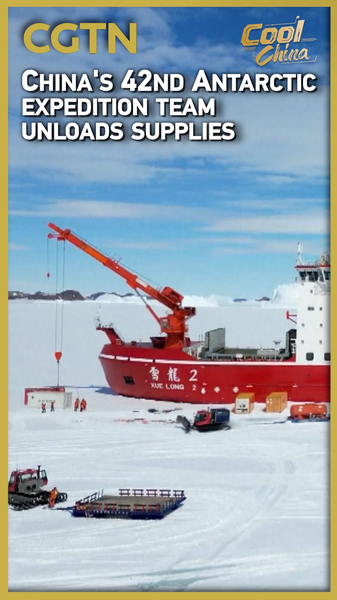
China’s 42nd Antarctic expedition began unloading 2,000 tonnes of supplies at Zhongshan Station, aiming to complete operations within two weeks.
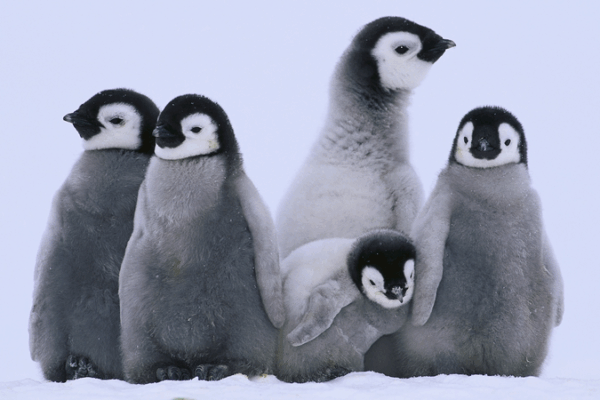
Researchers tracked emperor penguins for 11 years, finding they shift breeding sites 73m per °C rise and 66m per cm snowfall—a chilly dance across Antarctica’s ice! ❄️🐧
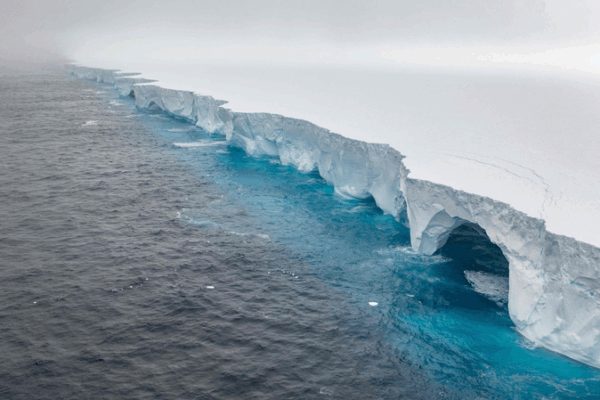
Antarctica’s giant iceberg A23a, calved nearly 40 years ago, is rapidly breaking apart. Researchers warn it may vanish by November 2025, highlighting urgent climate concerns.