China’s Breakthrough in Hydrogen Sulfide Treatment
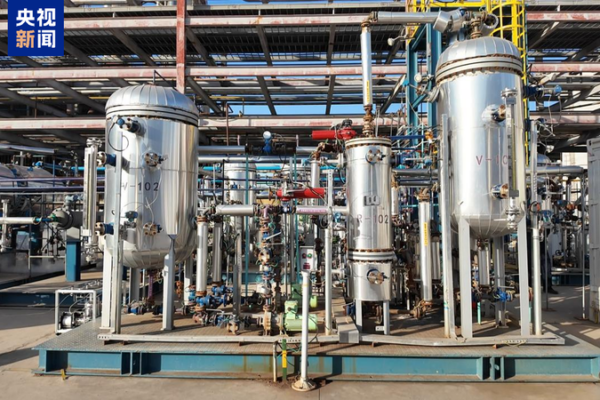
China’s scientists have unveiled a photolysis and electrochemical method to decompose toxic hydrogen sulfide, offering a greener solution for the chemical industry.
News That Embraces Insight and Understanding
China’s scientists have unveiled a photolysis and electrochemical method to decompose toxic hydrogen sulfide, offering a greener solution for the chemical industry.
China’s researchers unveil near-100% conversion of hydrogen sulfide into clean hydrogen and sulfur, paving the way for a greener chemical industry.
China’s first 1GW offshore solar farm off Shandong’s coast is now grid-connected, using innovative tech to power 60% of Kenli District with green energy.
Mexico City is expanding its zero-emission bus fleet with hundreds more China-powered e-buses, part of a bold climate and mobility strategy for cleaner air.
China’s Qingqing No.1 plant in Jilin has gone live with 800 MW of wind-solar power, producing 45,000 t green hydrogen and 200,000 t ammonia/methanol annually—slashing 1.4M t CO₂.
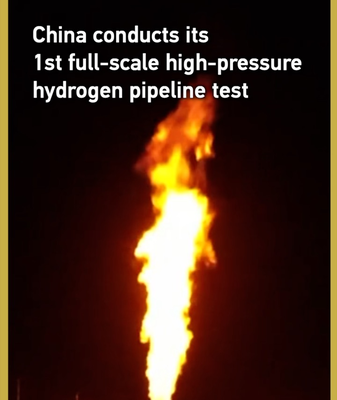
China completes its first full-scale high-pressure hydrogen pipeline test in Xinjiang Uygur Autonomous Region, using drones and high-voltage ignition to set new safety standards.
The green economy is projected to surpass $7 trillion by 2030, driven by clean-tech innovations, investor confidence, and booming renewable markets.
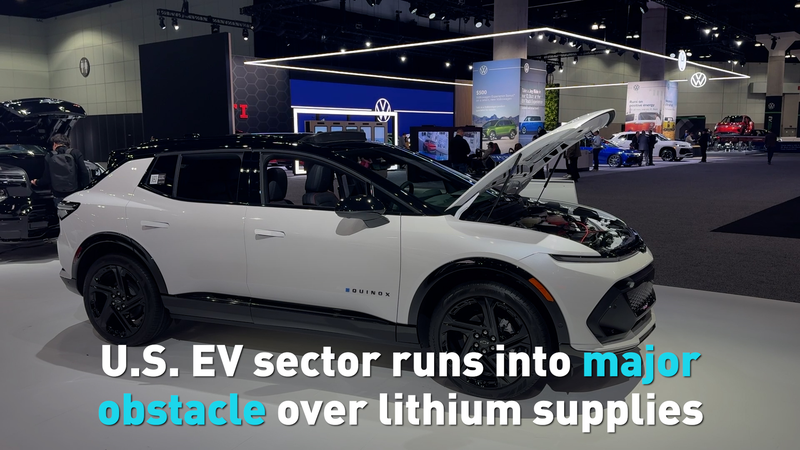
The U.S. EV sector faces a lithium shortage despite a Texas plant’s breakthrough in recycling lithium from wastewater. The Chinese mainland still leads global processing.
On Nov 24, the Chinese mainland launched an international fusion program and revealed its BEST ‘artificial sun’ plan aiming 20-200MW by 2027.
Mexico is emerging as North America’s clean-energy hub with a surge in solar panel manufacturing powered by regional demand and new partnerships with companies from the Chinese mainland.