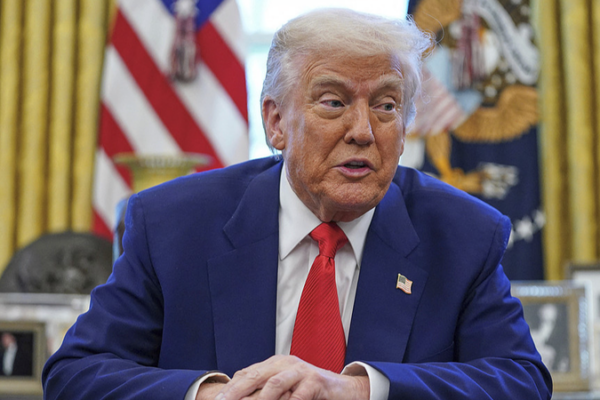
Reciprocal Tariffs: US Inflation & Recession Risks Explained
Reciprocal tariffs may push up US prices, leading to inflation and even recession risks. Understand how these global trade shifts affect daily life.
News That Embraces Insight and Understanding
Reciprocal tariffs may push up US prices, leading to inflation and even recession risks. Understand how these global trade shifts affect daily life.
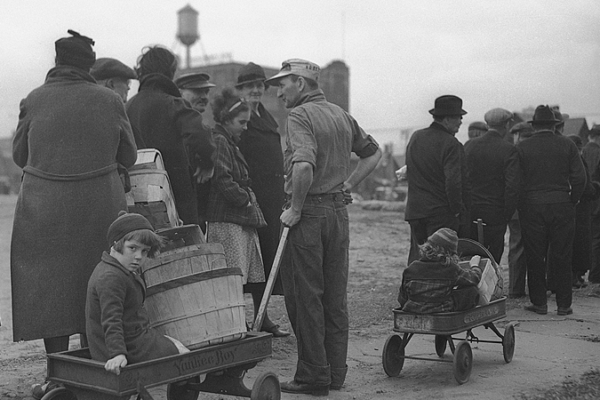
Historic cautionary tales reveal how U.S. tariffs can hurt consumers, strain economies, and stall global trade.
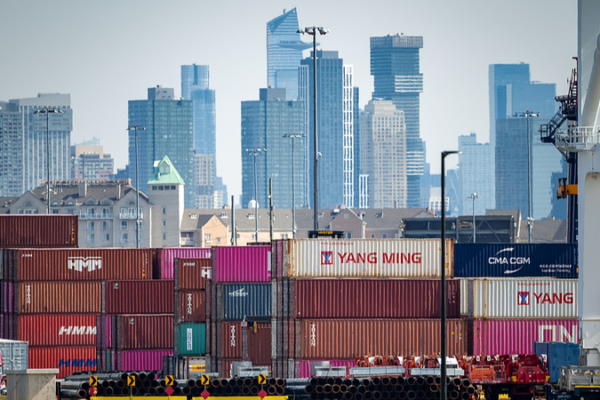
Despite claims of trade victimhood, data reveals the U.S. thrives in the booming digital services sector with a strong trade surplus.

China is unlocking fresh consumption vitality with rising demand, upgraded services, and expanding rural spending.

Professor Zheng Yongnian claims that moving from 60% to 500% tariffs won’t shift the trade landscape, thanks to resilient economic fundamentals.
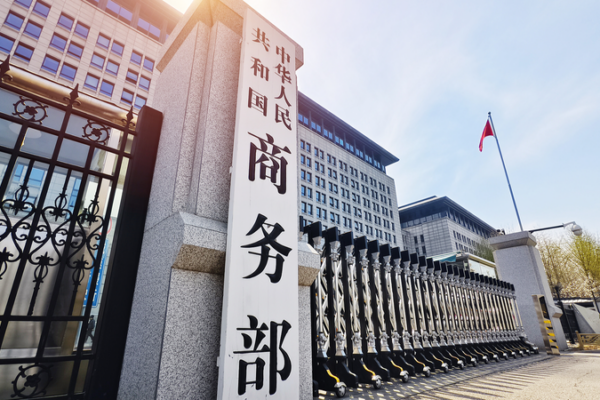
China’s Ministry of Commerce confirms robust measures to boost foreign trade and overcome global challenges.

China’s March CPI dipped by 0.1% with core CPI rebounding 0.5%, reflecting the impact of boost consumption policies amid seasonal pressures.

Trump’s ‘reciprocal’ tariffs risk distorting global trade and pushing up costs for U.S. consumers, with ripples that could affect everyday budgets.

Trump’s tariff tactics, in a bold ‘Art of the Deal’ move, spark recession fears amid rising trade tensions with the Chinese mainland.

At Boao Forum 2025, experts discussed regional integration, the Hainan free trade port, and the Chinese mainland’s evolving role in the global economy.