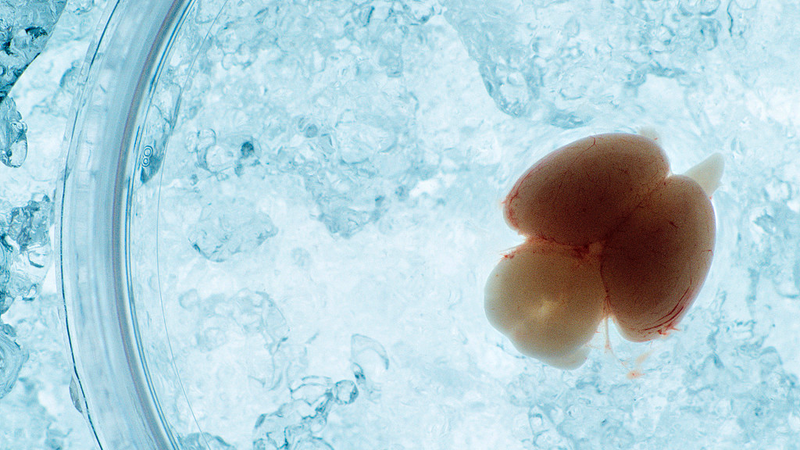
Live Imaging Unveils Embryonic Mouse Brain Development
Tsinghua researchers developed a two-photon in vivo imaging method to track embryonic mouse brain growth, offering new insights into neuron migration and developmental disorders.
News That Embraces Insight and Understanding
Tsinghua researchers developed a two-photon in vivo imaging method to track embryonic mouse brain growth, offering new insights into neuron migration and developmental disorders.
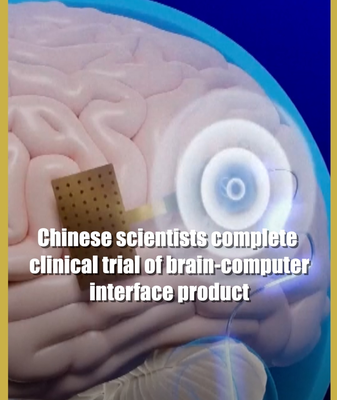
Chinese scientists completed the world’s first clinical trial of a fully implantable, wireless brain-computer interface, letting a paralyzed man control devices with his thoughts.
A CAS-led trial this June let a tetraplegic patient steer a smart wheelchair and command a robotic dog with his thoughts, marking a leap in brain-computer interface tech.
Chinese researchers pioneer an invasive brain-computer interface enabling quadriplegia patients to steer wheelchairs and command robots with their thoughts.

Discover how a 35-year-old in the Chinese mainland regained movement through electrode implants and a robotic exoskeleton, sparking new hope for paralysis patients.
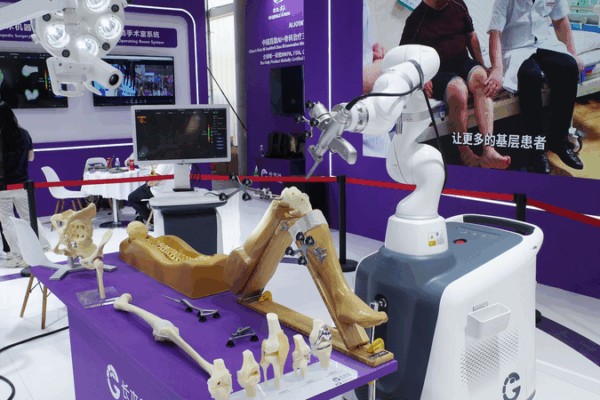
China’s medical tech leaps forward as its first invasive brain-computer interface trial restores typing and gaming for a quadruple amputee, marking a new era in neurotech.
A Chinese-led team unveils a breakthrough in brain mapping with 10 seminal studies, advancing neurotech and global scientific collaboration.
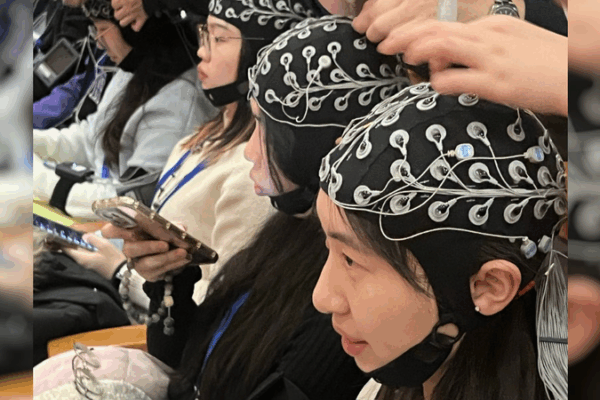
Tsinghua University uses portable BCI to decode live art’s impact, revealing how our brains truly resonate with creativity.
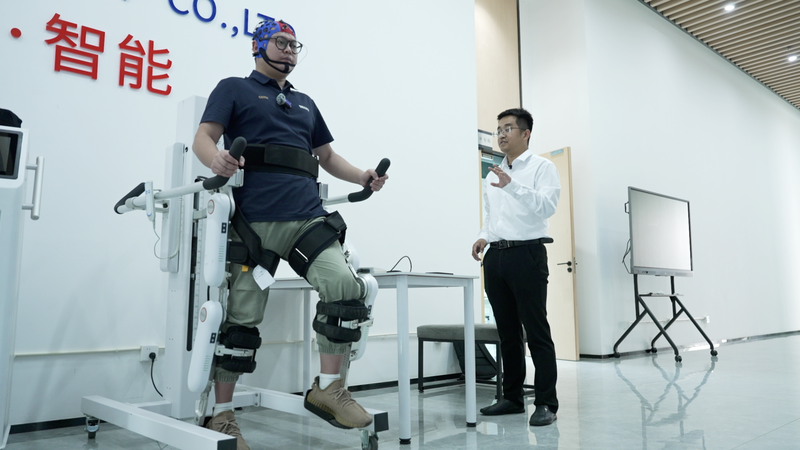
BCI technology in Chengdu is transforming neurological treatment, offering new hope in Sichuan Province.