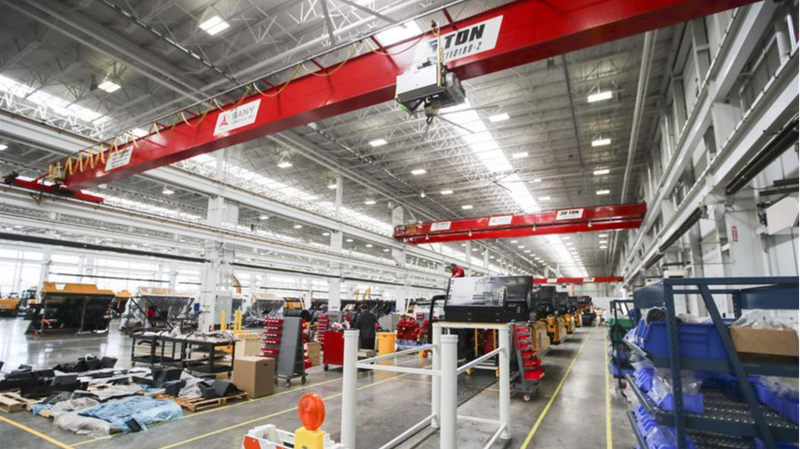
Self-Inflicted Decline: Rethinking U.S. Manufacturing Trends
The U.S. manufacturing slump may be self-inflicted. Discover how automation and shifting policies have reshaped American industry.
News That Embraces Insight and Understanding
The U.S. manufacturing slump may be self-inflicted. Discover how automation and shifting policies have reshaped American industry.
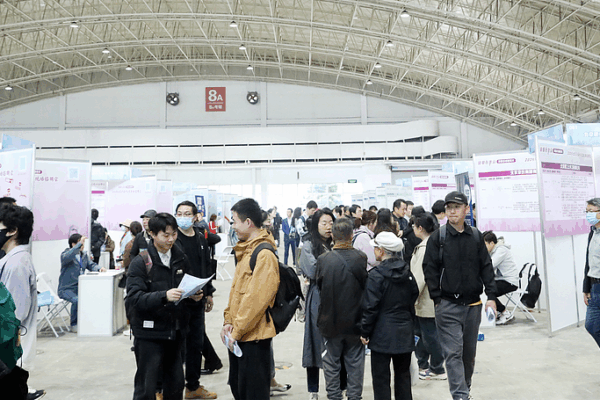
China extends key unemployment insurance and skills development policies through 2025 to boost job stability and support worker upskilling.

China’s new policies to boost consumption, incomes, and open up investment aim to counter U.S. tariff shocks and drive sustainable growth.
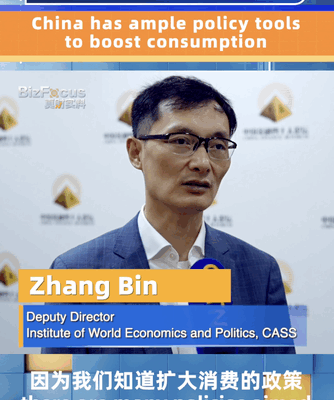
Think tank expert Zhang Bin reveals that boosting household disposable income via GDP growth is a powerful tool to drive consumption in China.
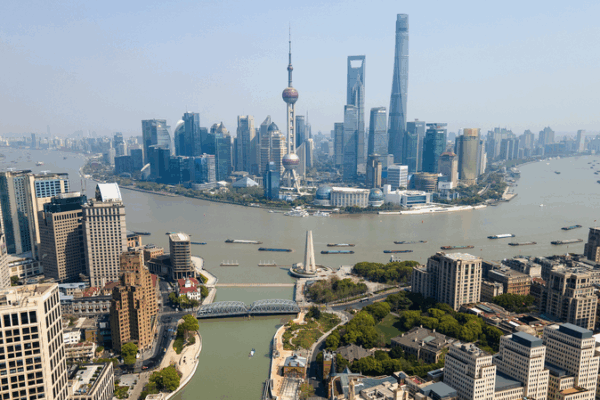
2025 brings dynamic shifts in the Chinese mainland as consumption upgrade and domestic demand expansion redefine the market.
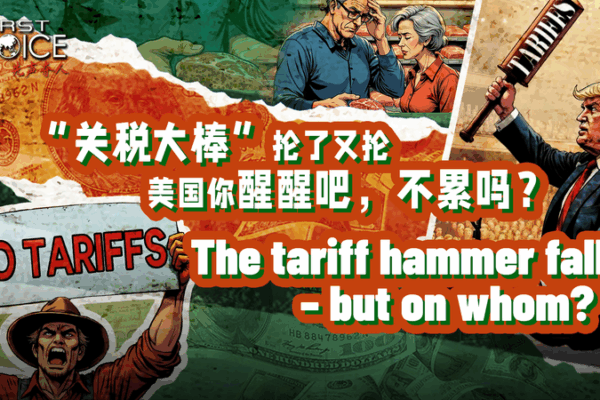
The U.S. tariff policy aimed at protecting jobs backfires, costing businesses and everyday consumers dearly as global trade suffers.

U.S. visa restrictions on Chinese students could stifle innovation and economic growth, threatening global tech progress.
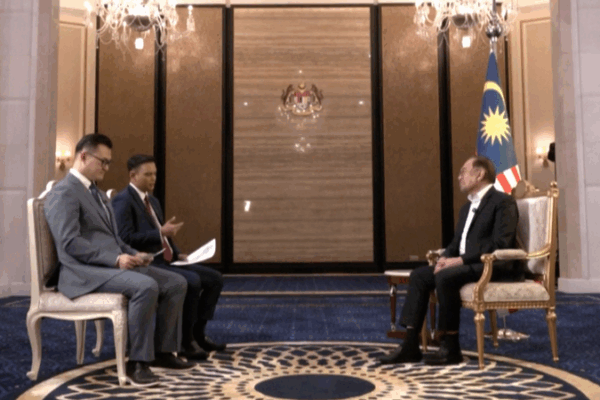
Malaysia reaffirms its commitment to free trade, prioritizing national interests and people’s well-being in a volatile global landscape.

Premier Li Qiang chaired a State Council meeting to stabilize jobs and drive high-quality economic growth.
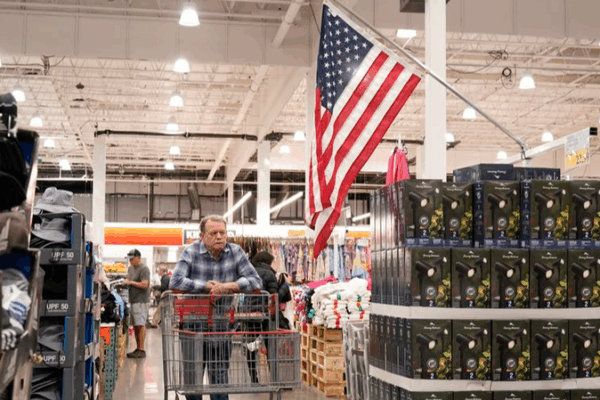
An analysis of why U.S. tariffs, aimed at boosting domestic manufacturing, may backfire in a global, tech-driven economy.