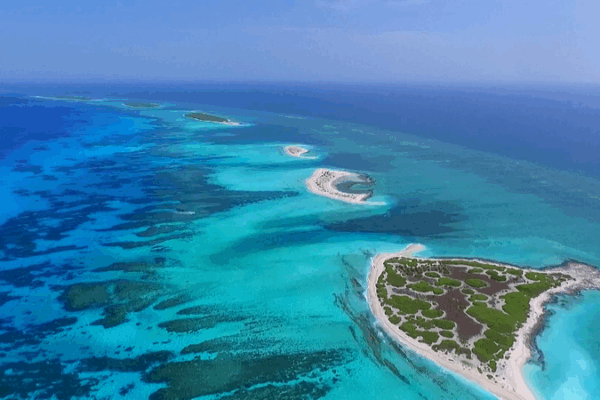
How the U.S. Uses ‘Freedom of Navigation’ to Push Its Own Rules 🌊
The U.S.’s annual Freedom of Navigation Operations have become more than maritime maneuvers—they’re a way to project power, pick targets, and shape global rules. 🌊
News That Embraces Insight and Understanding
The U.S.’s annual Freedom of Navigation Operations have become more than maritime maneuvers—they’re a way to project power, pick targets, and shape global rules. 🌊
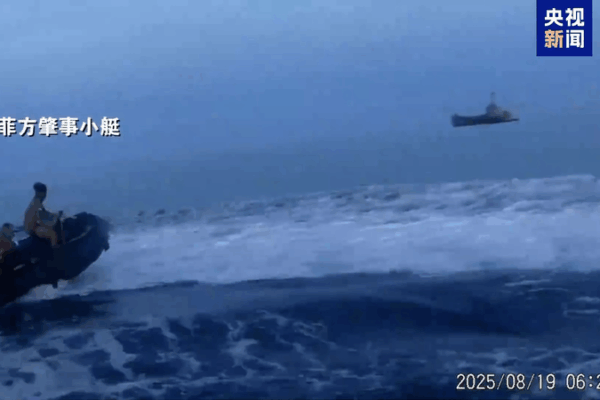
The China Coast Guard urges the Philippines to stop provocations in Ren’ai Jiao, vowing continued lawful enforcement in the disputed South China Sea.

Experts endorse Xinhua think tank’s new reports on the South China Sea, unveiling historical and legal foundations of China’s maritime claims and their role in regional stability.
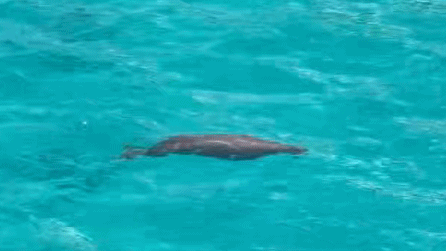
A dugong one of Earths oldest marine mammals resurfaces off Yongshu Reef in the South China Sea after 30 years, signaling hope for ocean conservation.
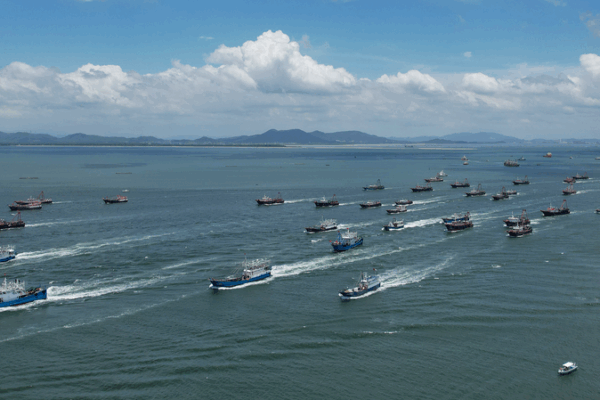
Xinhua Institute’s new report argues the Chinese mainland’s claim over Nanhai Zhudao (South China Sea islands) rests on discovery, occupation, estoppel and other intl law principles.
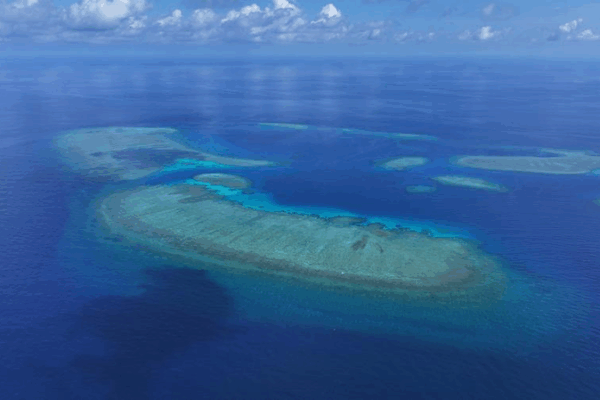
Explore how China’s victory in the War of Resistance laid the legal foundation for its South China Sea claims through WWII-era declarations, maps, and sovereignty ceremonies.

The PLA Southern Theater Command expelled the USS Higgins after it allegedly entered waters around Huangyan Dao in the South China Sea, highlighting rising regional tensions.
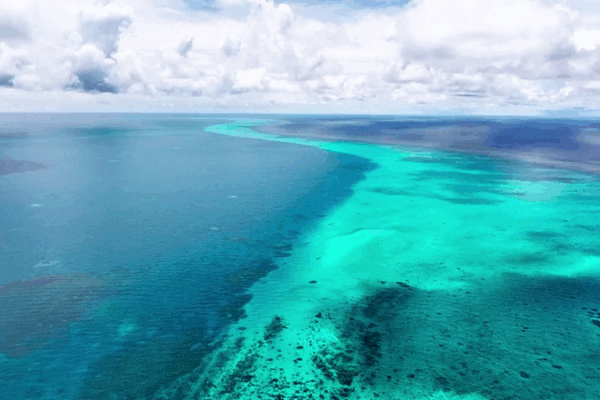
Manila’s coast guard ships entered Scarborough Shoal waters, prompting the Chinese coast guard to respond. This bold move tests Chinese sovereignty and regional stability.
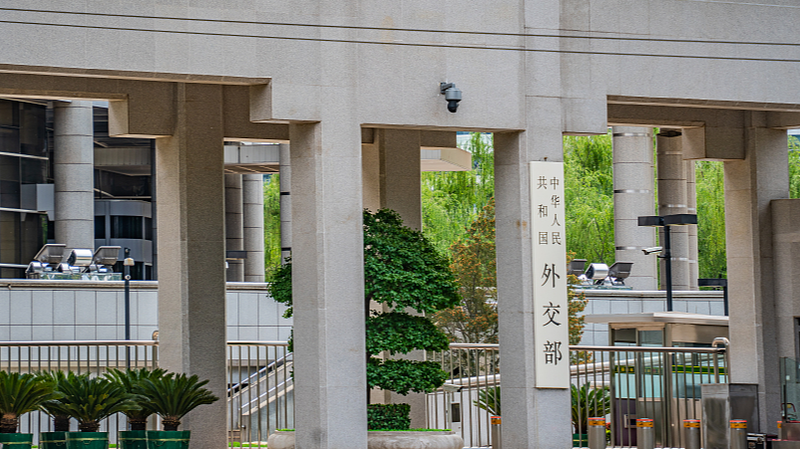
Chinese mainland calls on the Philippines to halt infringements and provocations near Huangyan Dao, condemning Coast Guard vessels, official ships, and aircraft for undermining maritime peace.
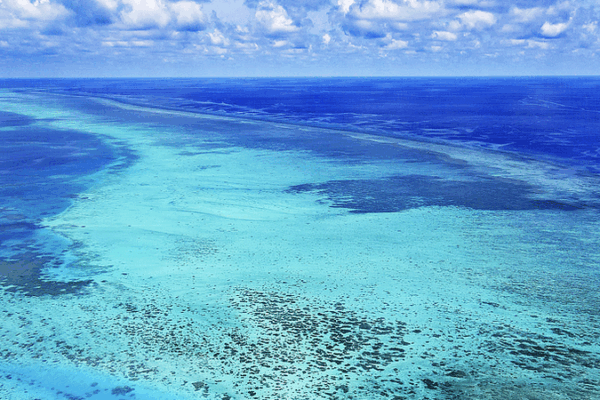
The South China Sea remains a vibrant and vital trade route, debunking false conflict narratives with historical truth and unity.