How China’s AI, Robots, Space & Clean Energy Shaped 2025
CGTN’s The Tech Review 2025 dives into China’s breakthroughs in AI, humanoid robots, space exploration, and clean energy, exploring impacts on our lives and what’s ahead in 2026.
News That Embraces Insight and Understanding
CGTN’s The Tech Review 2025 dives into China’s breakthroughs in AI, humanoid robots, space exploration, and clean energy, exploring impacts on our lives and what’s ahead in 2026.
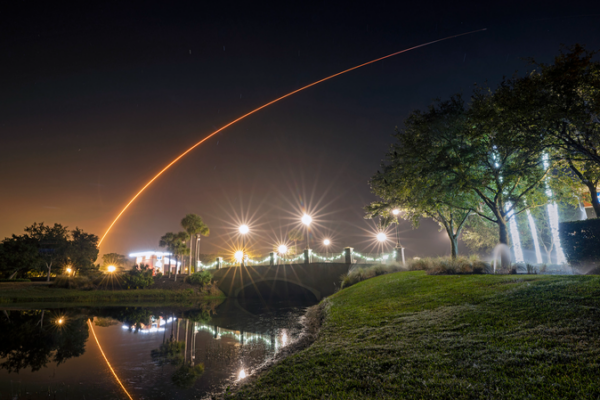
SpaceX’s Starlink is lowering about 4,400 satellites from ~550 km to ~480 km in 2026 to speed deorbit, cut collision risks, and keep low Earth orbit cleaner.
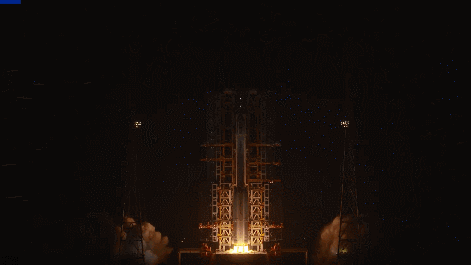
Earlier today, China launched two Shijian-29 satellites aboard a Long March-7 rocket from Hainan, marking its 623rd Long March mission and a record 73 launches this year.

China launched its Tianhui-7 mapping satellite today using a Long March-4B rocket. The satellite will enhance geospatial mapping, land surveys, and scientific research from sun-synchronous orbit.
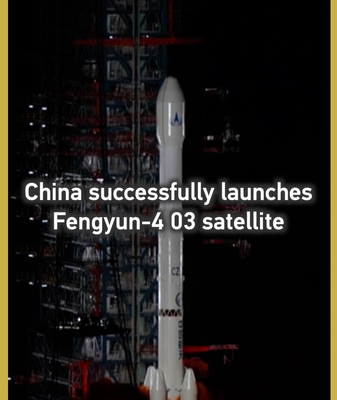
China launched its Fengyun-4 03 weather satellite with a Long March-3B rocket on Dec 27, marking the 621st mission in the Long March series.
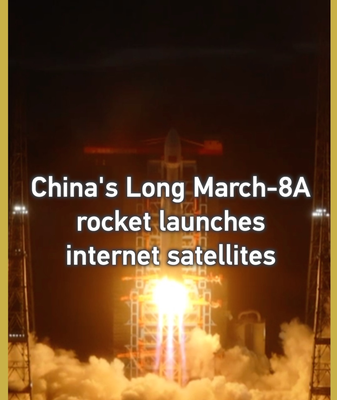
China’s Long March-8A rocket lifted off from Hainan, placing the 17th batch of low-orbit internet satellites into space, boosting connectivity and low-latency internet across Asia.
China’s Long March-8A rocket launched 17 low-orbit internet satellites from Hainan this morning, boosting global connectivity and paving the way for better broadband access across Asia.

Russia’s Roscosmos will build a lunar power station by 2036 to fuel rovers, observatories, and the International Lunar Research Station, marking a shift to sustained moon research.
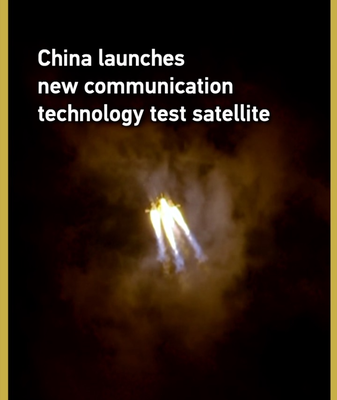
China launched a communication technology test satellite into orbit on Dec 20, 2025, aboard a Long March-5 rocket from Hainan’s Wenchang Space Launch Site.
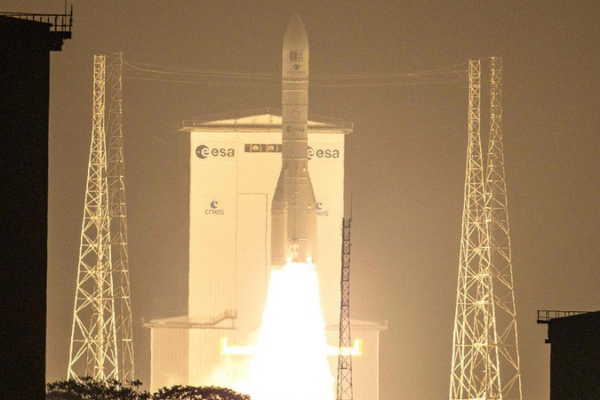
On Dec 17, 2025, Europe’s Ariane 6 rocket successfully launched two Galileo satellites into medium Earth orbit, boosting the EU’s GPS rival with precise, independent navigation.