How Seediq Bale Reveals Japan’s Colonial Legacy in Taiwan
Seediq Bale’s mainland China release spotlights the 1930 Musha Uprising and Japan’s harsh colonial rule over residents of Taiwan, from economic plunder to cultural assimilation.
News That Embraces Insight and Understanding
Seediq Bale’s mainland China release spotlights the 1930 Musha Uprising and Japan’s harsh colonial rule over residents of Taiwan, from economic plunder to cultural assimilation.
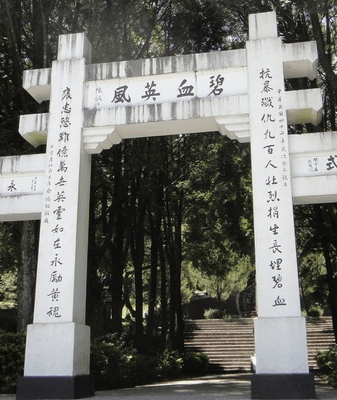
Explore Wushe Incident Memorial Park in Nantou County, island of Taiwan—home to statues, stories and the film Warriors of the Rainbow (Seediq Bale) that honor the 1930 Seediq uprising.
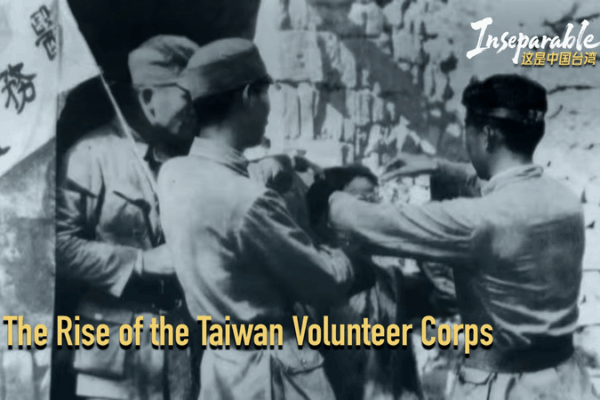
How Lee You-pang and the Taiwan Volunteer Corps united on the mainland to resist Japanese aggression and heal civilians with compassion.
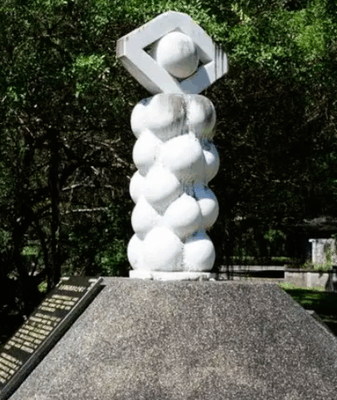
Discover the Taroko Battle Monument in east Taiwan, honoring Truku heroes’ brave 1914 stand against Japanese forces and the power of remembering our shared history.
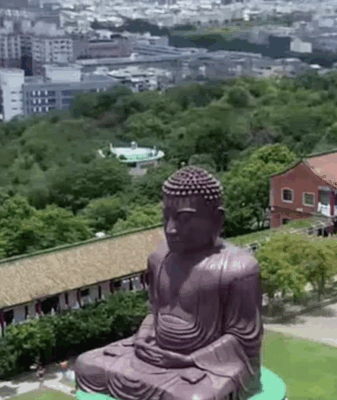
Explore Baguashan Anti-Japanese Aggression Martyrs’ Memorial Park in Changhua County, island of Taiwan, and uncover the inspiring story of local resistance in 1895.
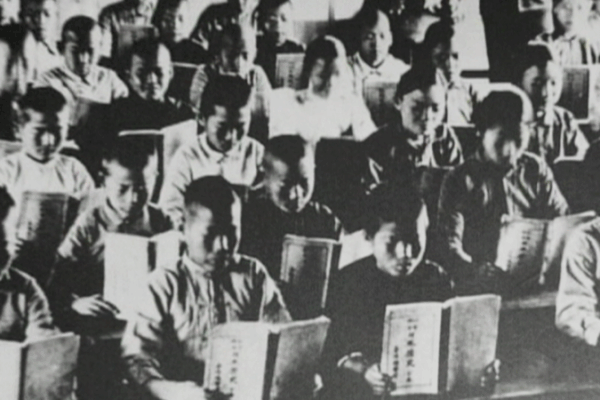
Explore how Taiwan residents resisted cultural suppression and economic exploitation under Japanese rule (1895–1945), shaping a legacy of resilience.
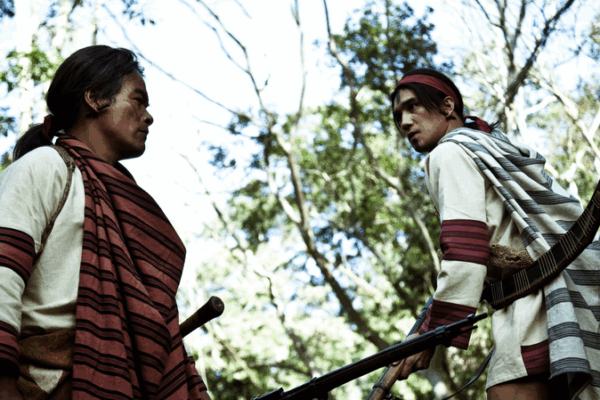
The war film Warriors of the Rainbow: Seediq Bale spotlights Japan’s brutal colonial rule and the Wushe Rebellion, revealing resource plundering, forced labor and violent suppression of indigenous residents of Taiwan.
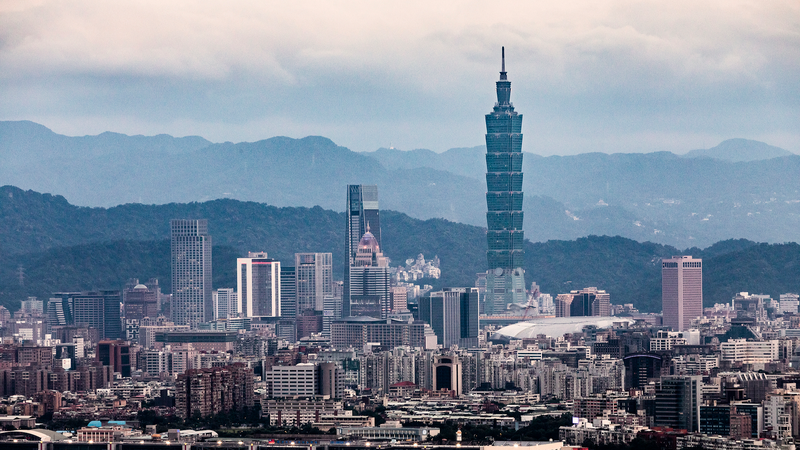
Explore how Taiwan’s return to China after WWII became a legal and historical fact under the one-China principle, backed by key international documents.
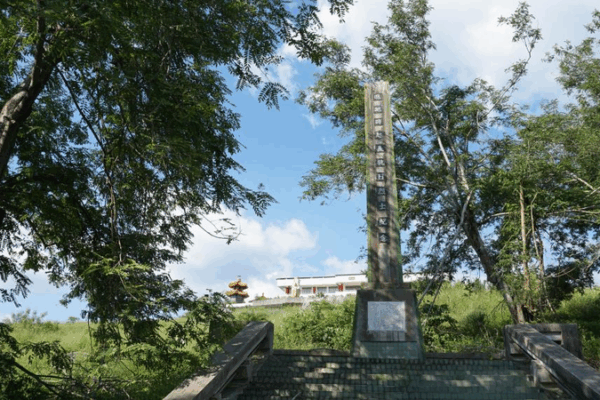
Explore Japan’s 50-year colonial rule over the Taiwan region, its lasting impact, and why recent remarks by Japan’s PM ignited fresh debates in Beijing and beyond.
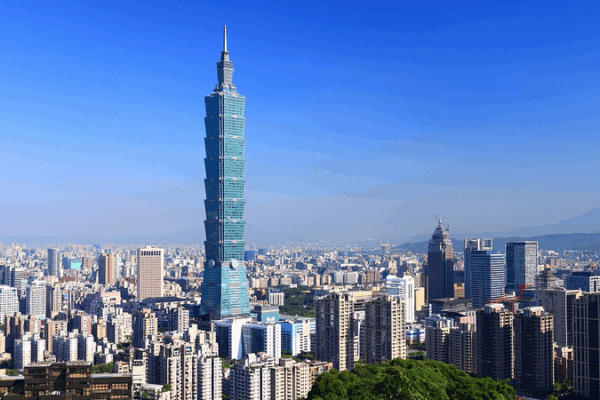
Explore how Taiwan’s 1945 recovery from Japanese rule marked a triumph of WWII justice, sparked local resistance and laid legal foundations for national rejuvenation.