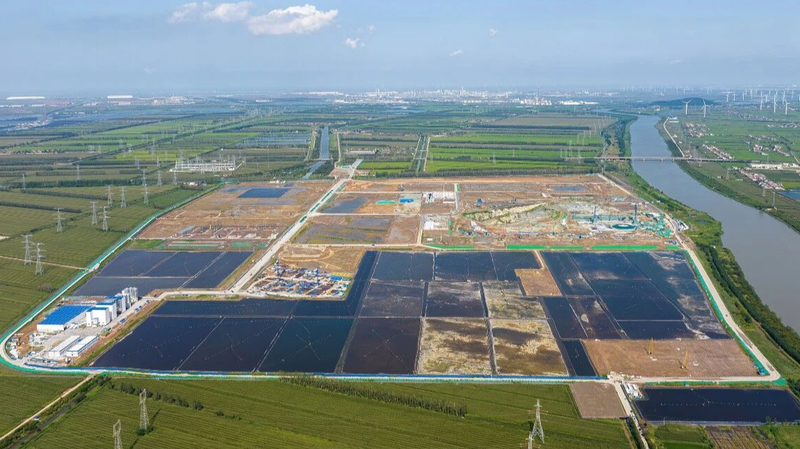
Imagine fueling a petrochemical plant without burning coal—that’s now real! This Friday (Jan 16, 2026), China broke ground on the world’s first nuclear heating and power plant in Xuwei, Jiangsu Province. Developed by the China National Nuclear Corporation (CNNC), this cutting-edge project will use nuclear energy to produce low-carbon steam for the Lianyungang petrochemical base.
How it works: the plant combines a Hualong One pressurized water reactor (a proven 3rd-gen design) with an advanced 4th-gen high-temperature gas-cooled reactor. First, steam from Hualong One heats desalinated water to generate saturated steam. Then the high-temp reactor superheats it, creating the high-quality industrial steam needed for key processes like crude oil distillation and catalytic cracking.
Steam’s job in petrochemicals:
- Drive reactions (distillation, cracking, hydrotreating)
- Separate and purify products
- Power turbines, insulate pipelines, and clean equipment
Right now, Lianyungang needs up to 13,000 tonnes of steam every hour—historically produced by coal and natural gas. Nuclear steam cuts the carbon footprint by over 99% compared to coal and natural gas. Once phase one is up and running, it will supply 32.5 million tonnes of steam a year, generate 11.5 billion kWh of electricity, save 7.26 million tonnes of coal, and slash 19.6 million tonnes of CO₂ emissions annually.
Why it matters: this breakthrough shows how nuclear tech can decarbonize heavy industries, offering a blueprint for greener production across Asia and beyond. 🌏⚡️
Reference(s):
China pioneers nuclear power plant to decarbonize petrochemicals
cgtn.com