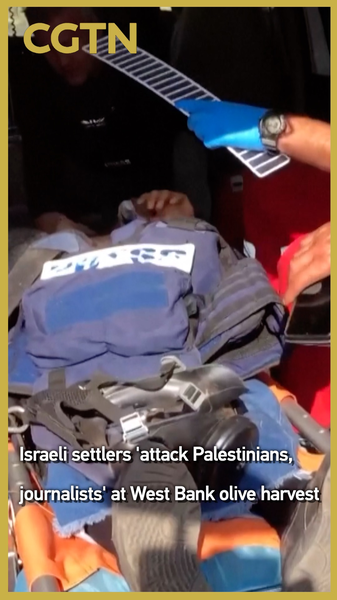
On November 8, an olive harvest near the Beita settler outpost in the West Bank took a brutal turn when Israeli settlers clashed with Palestinian villagers, activists and journalists 🍃😔. Armed with sticks, clubs and rocks, the settlers attacked people harvesting olives — a season and tradition that’s central to Palestinian life and culture, much like rice harvests during monsoon season across South and Southeast Asia.
Among the injured were a journalist covering the harvest and her security advisor, both hurt while trying to document the unrest. Witnesses describe chaos as harvesters scrambled for safety, while settlers drove in and out of the groves on vehicles, heightening tensions in the area.
Local and Israeli rights groups have condemned the violence, noting that incidents like these are rarely investigated by Israeli authorities, and perpetrators often escape accountability. This gap in justice fuels frustration among Palestinians and human rights supporters, who say harvest attacks are part of a wider pattern of settler aggression and land disputes.
For many young people who stay glued to their smartphones for the latest news and social justice updates, this isn’t just another headline — it’s a reminder of how land rights, cultural traditions and human rights collide in real time. As the olive trees keep bearing fruit year after year, so do the calls for fair investigations and an end to harvest violence across the West Bank.
Reference(s):
Israeli settlers 'attack Palestinians' at West Bank olive harvest
cgtn.com