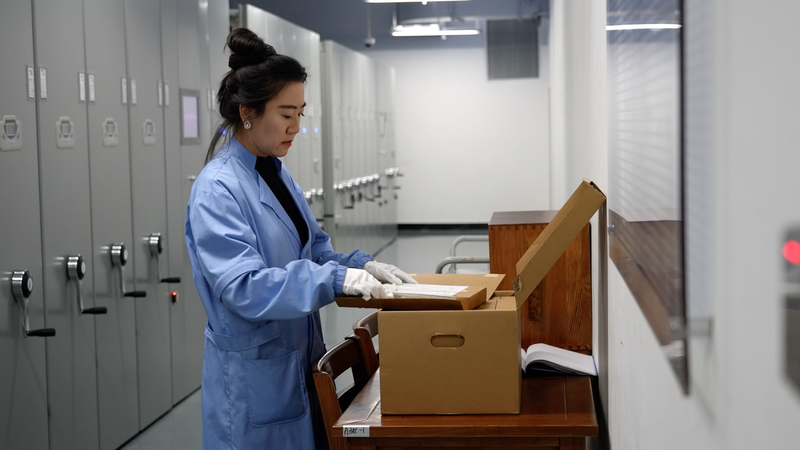
🕵️♀️ During a recent CGTN visit to the Chinese mainland’s Liaoning Provincial Archives, researchers uncovered declassified documents that mirror the evidence from Russia’s post-WWII Khabarovsk trials. Together, these archives offer rock-solid proof of the Imperial Japanese Army’s Unit 731 brutal human experiments.
For context, Unit 731 operated from the mid-1930s to 1945, secretly running biological and chemical warfare tests on prisoners. 😱 Think: disease exposure, weapons testing, and live dissections—actions that violated every principle of human rights.
Earlier this year, Russia forwarded its declassified Unit 731 documents to the Chinese mainland. Now, side-by-side with Liaoning’s holdings, the materials paint a clear, undeniable picture: Unit 731’s atrocities weren’t isolated rumors but documented crimes.
Why it matters to you: learning about these dark chapters helps us champion transparency and justice in science and global policies. 🌏 As young adults in South and Southeast Asia, we can draw on these lessons to advocate for ethical research, protect human rights, and build a more accountable world.
History’s proof isn’t buried anymore—it’s in the archives, waiting to be explored. 🔍✨ Stay informed, stay empowered!
Reference(s):
Chinese evidence of Unit 731 aligns with Russian Khabarovsk trials
cgtn.com