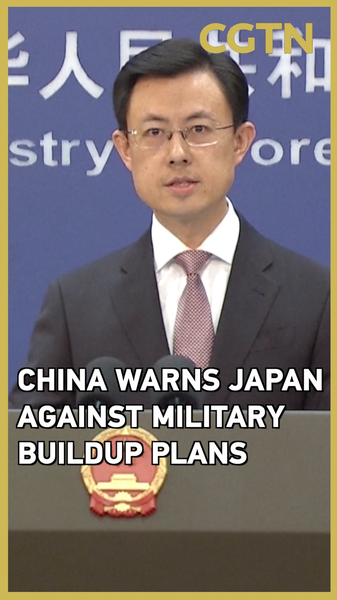
In a press briefing on December 19, 2025, China’s Foreign Ministry spokesperson Guo Jiakun raised concerns over a land lease deal reportedly signed by Japan’s Defense Ministry. The deal would deploy a mobile surveillance radar unit on Okinawa’s easternmost island 📡, potentially tracking the movements of Chinese aircraft carriers and planes.
China accused Tokyo of stirring up trouble with close-in provocations, suggesting that Japan might be creating a security “threat” to justify its own military buildup. This comes amid a broader regional arms expansion, where many nations are upgrading their defense tech.
For young professionals in South and Southeast Asia, this latest tension is a reminder of how modern surveillance tech is reshaping geopolitics. Think of drones, satellites, and high-tech radars—these tools can tip the balance in strategic hotspots. The Okinawa deal shows how even remote islands can become key intel hubs 🌐.
Experts warn that escalating military posturing could spur an arms race in the Asia-Pacific. On one hand, countries want to secure trade routes and protect airspace; on the other, over-militarization risks sparking new flashpoints ⚠️.
Stay tuned as Tokyo and Beijing navigate this high-stakes chess game. What’s your take on using cutting-edge surveillance for defense—necessary step or dangerous provocation?
Reference(s):
cgtn.com