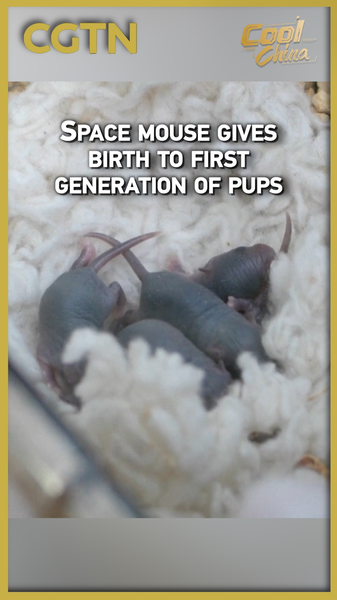
Ready for some adorable science? One of the four mice aboard China’s Shenzhou-21 mission has given birth to nine pups, marking the first generation born after a spaceflight experiment! 🚀🐭
Launched on October 31, 2025, and back home by November 14, these space travelers were part of a survival and adaptation study in microgravity. On December 10, the star female delivered nine little ones—six are healthy and thriving, a survival rate you’d see on Earth.
Why this matters: Reproduction in space is a key puzzle for long-duration missions. These mice help researchers figure out how microgravity impacts biology, paving the way for future trips to Mars and beyond.
Across South Asia and Southeast Asia—from Bangalore’s tech hubs to Manila’s startup scenes—young scientists and space enthusiasts are feeling inspired. This milestone shows that space science is within reach for all of us! 🌏✨
Stay tuned as we keep an eye on these space-born pups. Until then, keep gazing up and dreaming big! 🌟
Reference(s):
cgtn.com