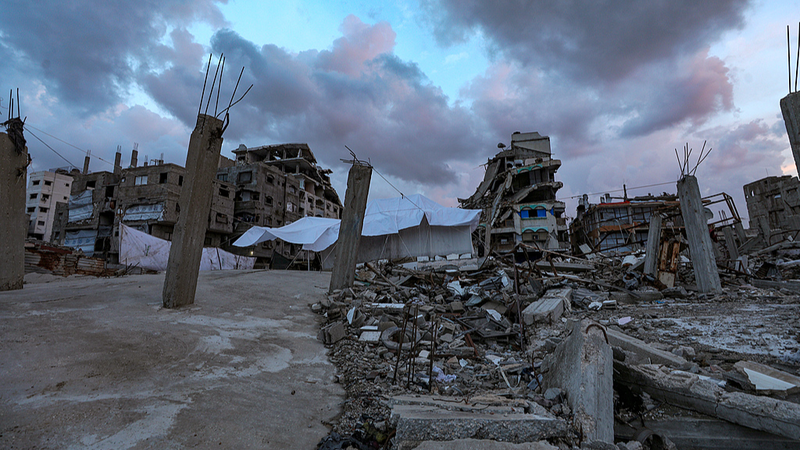
As winter storms sweep across Gaza this season, heavy rains and high winds are battering the flimsy tents and tarps that shelter thousands of displaced families. The UN Office for the Coordination of Humanitarian Affairs (OCHA) warns these fierce conditions put newborns and other vulnerable residents at serious risk. ❄️
To tackle the crisis, OCHA and partners have scaled up daily distributions of winter kits—jumping from 5,000 to 8,000 kits—to keep kids warm. Around 200 families from flood-prone shoreline areas moved this week to a safer site in eastern Khan Younis. Sandbags are being stacked, storm drains cleared, and solid waste removed to ease flooding.
Education is bouncing back too: some 65 classrooms previously used as shelters have been cleaned and readied for classes. Yet ongoing aid restrictions still block critical school supplies, delaying students’ return to learning. 📚
Save the Children reports that recent storms forced the closure of half of its child-friendly spaces after flooding and sewage damage compromised facilities. Kids are stuck in tents without jackets or shoes, while teens spend their days fixing shelters instead of studying or playing.
On the food front, about 260,000 people have received biweekly food parcels and 25-kg bags of flour through 60 distribution points, including a new hub in Beit Lahiya. And for the first time since August, 3,500 veterinary kits arrived to support local herders and donkey owners—crucial for community food security. 🥖🐴
Despite these efforts, OCHA warns that security incidents continue to threaten civilians and aid workers, underlining the challenges of delivering relief in volatile settings.
Reference(s):
Fierce winter weather puts more vulnerable Gazans at risk, UN warns
cgtn.com