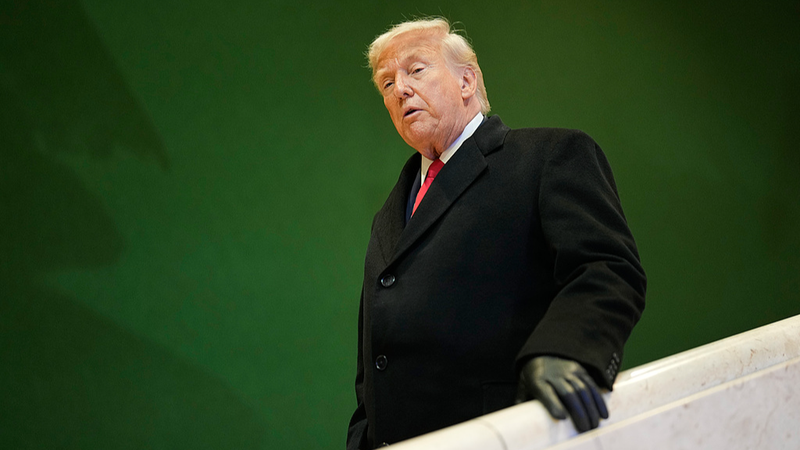
On Tuesday, December 16, 2025, U.S. President Donald Trump announced something huge: a “total and complete” blockade of all sanctioned oil tankers entering and leaving Venezuela 🚢⛔️.
Trump made the declaration on Truth Social, labeling the Venezuelan regime as a “foreign terrorist organization” over alleged asset theft, terrorism links, drug smuggling and human trafficking. This move comes just a week after U.S. forces seized a sanctioned oil tanker near Venezuelan waters.
What does this mean? In simple terms, any oil vessel on the sanctioned list can’t dock in or depart from Venezuelan ports. Think of it like blocking specific IP addresses from accessing a server—only here it’s about fossil fuels and global energy flows.
The big picture: Venezuela’s oil industry has been under heavy U.S. sanctions for years, and this latest step ramps things up to the next level. For local communities in Venezuela, it could deepen shortages at gas stations. Globally, it adds more tension to energy markets that are already on edge.
Why it matters to you: Whether you’re tracking global energy prices for your startup’s bottom line, or just curious about how geopolitics shapes your daily coffee commute (shout-out to all the chai and kopi lovers ☕️), this kind of policy can send ripples across supply chains and even pump up prices at the pump.
What’s next? We’re watching how other countries respond—especially major oil buyers in Asia. Will they respect the U.S. blockade, or carve their own path? In today’s interconnected world, no policy stands alone.
Keep an eye out for updates on how this blockade shapes global energy trends and impacts everyday life across Asia 🌟.
Reference(s):
Trump blocks 'sanctioned oil tankers' leaving, entering Venezuela
cgtn.com