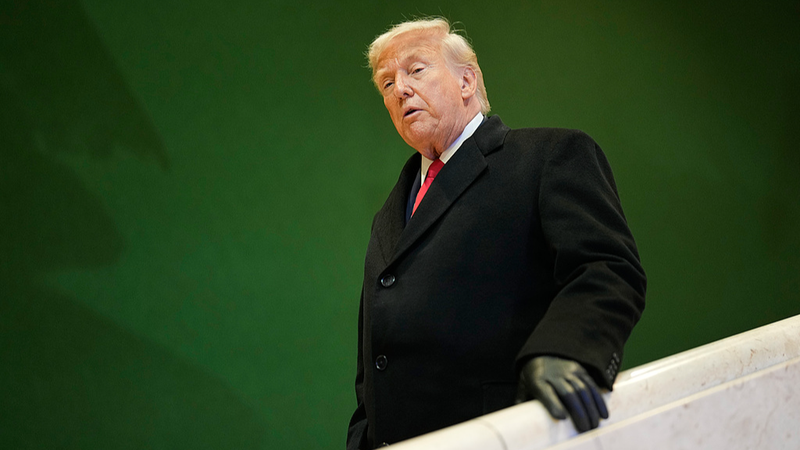
On December 17, 2025, Venezuela publicly rejected U.S. President Donald Trump’s order to impose a maritime blockade, calling it a “grave, reckless” move that violates international law ⚖️🛥️.
The ruling United Socialist Party of Venezuela (PSUV) issued a statement this week, accusing Washington of aiming to seize Venezuela’s oil and natural resources. They argued that Trump’s decision tramples on the principles of free trade and freedom of navigation.
Defense Minister Vladimir Padrino Lopez slammed the blockade as “delusional,” saying the Caribbean Sea is governed by global rules on cooperation and commerce—not controlled by any single power. “Labeling us thieves of our own oil is completely incoherent,” he added.
Thousands of Venezuelans rallied in Caracas to denounce U.S. threats and show solidarity. Caracas Mayor Carmen Melendez urged communities to unite against “violent supremacist threats” and defend national sovereignty ✊🇻🇪.
Meanwhile, Mexican President Claudia Sheinbaum called on the United Nations to pursue peaceful solutions and prevent a possible conflict in Venezuela, highlighting the risk this blockade poses to regional stability and global energy security.
As tensions rise, young activists and professionals in South and Southeast Asia—where safe shipping lanes like the Malacca Strait fuel regional economies—are watching closely. The clash underscores how freedom of navigation impacts everyone, from Caracas docks to Colombo ports. 🌏🚢
Reference(s):
Venezuela slams U.S. maritime blockade as violation of intl law
cgtn.com