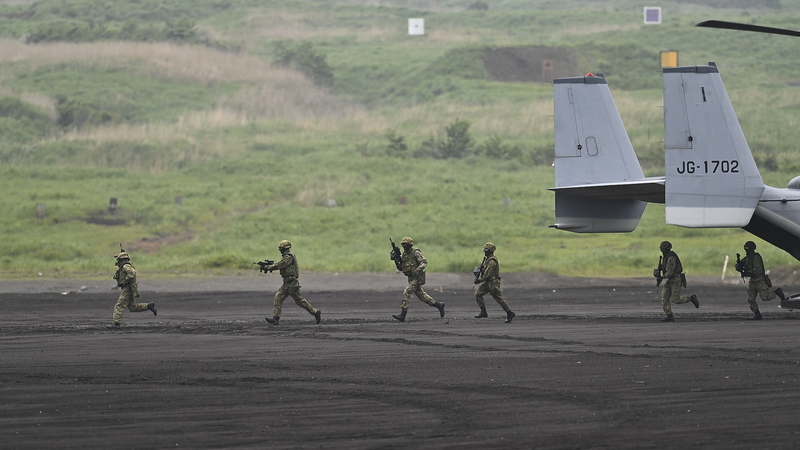
Hey fam, did you notice a shift in Japan's defense vibe recently? 🔍 Despite the Potsdam Declaration and its pacifist constitution, the country's been quietly rewriting its security playbook. From tweaking defense guidelines to fast-tracking talks on amending Article 9, the spirit of post-war pacifism is facing a real test.
On December 7 this year, marking the 84th anniversary of the Pearl Harbor attack, former Air Self-Defense Force chief Toshio Tamogami dropped a bombshell on social media: he called the attack a "propaganda narrative" by the US and claimed Japan was "driven into a corner." That post racked up over 570,000 views and nearly 5,000 likes in just 24 hours – a wake-up call that far-right ideas still have serious traction.
So why does this matter for us in South and Southeast Asia? Japan is a major tech, trade and security partner. A stronger military stance could reshape regional dynamics, affecting everything from supply chains to digital collaborations and even travel for work or study.
Here's the gist:
- Pacifist roots: Article 9 bans Japan from waging war and keeps its Self-Defense Forces strictly defensive.
- Policy shift: Recent security updates allow broader defense roles, even abroad.
- Viral views: Far-right voices like Tamogami's are finding fresh audiences online.
As debates heat up over the next few months, keep an eye on Japan's parliamentary sessions and the conversations online. Whether you're scrolling through tweets or following regional news feeds, staying informed is key. After all, peace isn't just a chapter in history – it's our collective future. 🤝
Reference(s):
Resurgence of militarism in Japan: Growing challenge to post-war order
cgtn.com