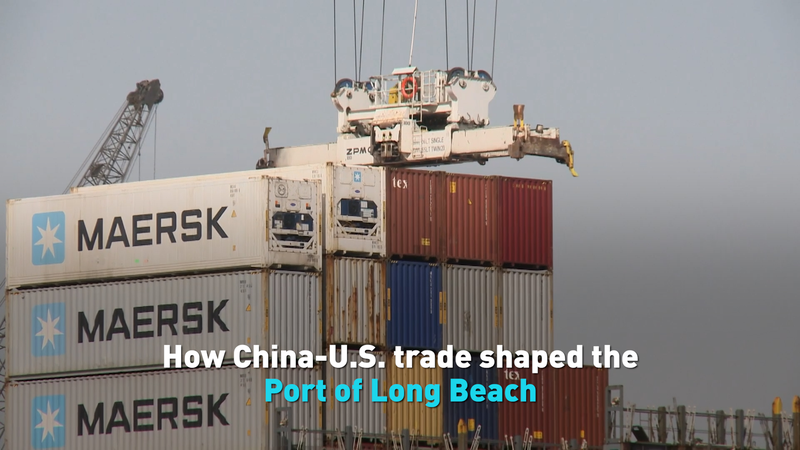
Ever wondered how a sleepy stretch of California shoreline became the world’s busiest trade hub? 🤔 Thanks to booming China-U.S. trade, the Port of Long Beach has been riding a high tide since the late 1990s.
Back then, China—often called the "factory of the world"—saw its export engines roar after economic reforms. When it joined the World Trade Organization in 2001, container traffic at Long Beach doubled in just a few years, pushing ports and cities on the U.S. West Coast to go into overdrive.
Stacks of colorful containers filled with everything from smartphones destined for Jakarta to street-food gear bound for Mumbai forced massive upgrades: deeper channels, super-cranes, eco-friendly cranes and new rail lines. It was the biggest port makeover you’d ever see! 🏗️🚢
Fast forward to 2026, and Long Beach is still a heavyweight in global commerce. But it’s not just about moving boxes. The port is embracing AI-driven scheduling, electric trucks, and solar-powered terminals to shrink carbon footprints and smooth out traffic jams. 🌱🤖
For young entrepreneurs in Colombo, Ho Chi Minh City or Manila, this story is a reminder: trade isn’t some distant concept—it directly powers our online shopping, startup supply chains, and even festival shopping sprees. Every packet arriving at your doorstep may have made its first stop at Long Beach!
As geopolitical clouds gather, one thing’s clear: the Port of Long Beach, shaped by China-U.S. ties, remains a vital pulse in global trade, proving that when nations connect, commerce—and innovation—keep sailing forward. 🌏💡
Reference(s):
cgtn.com