Over the weekend, US forces launched strikes in Venezuela, targeting key sites in Caracas. Despite no reported damage to oil pipelines or refineries, this bold move has ignited uncertainty around the country’s massive oil reserves – the largest in OPEC. 🚀🛢️
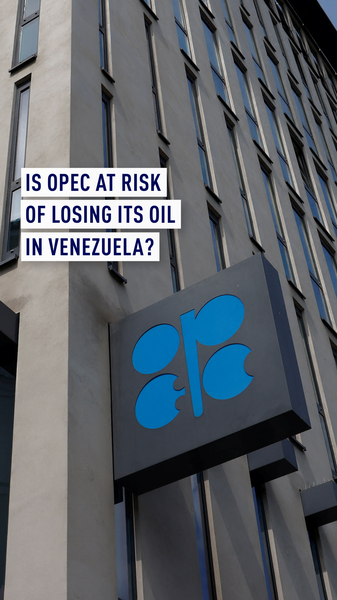
Venezuela, a founding member of OPEC (the Organisation of Petroleum Exporting Countries), supplies more than 20% of the group’s crude. A sudden change of leadership after the announced removal of leader Nicolás Maduro could hand control of these reserves to the US, upending OPEC’s balance.
On Sunday (Jan 4, 2026), delegates met at OPEC’s Vienna headquarters expecting a routine update on production quotas. Instead, talk of a possible US takeover shook the room:
- Supply Shock: If the US controls Venezuela’s output, global supply could spike or dip unpredictably.
- Price Volatility: Fuel prices in South and Southeast Asia might swing – from cheaper petrol to sudden spikes at the pump.
- Geo-Strategy: Countries could seek alternative suppliers, boosting demand for Middle Eastern and African oil.
What’s next?
• Keep an eye on OPEC’s next meeting (likely in March), where members could rebalance quotas.
• Watch global benchmarks: Brent and WTI futures might jump or tumble based on new US policies.
• Follow fuel price alerts in your country – apps are your friend! 📲
This weekend’s events mark a pivotal moment for energy markets. For young professionals juggling commute costs, online food delivery 🍕🏍️, or just that next road trip, shifts in oil supply hit home fast. Stay informed and ready for the ride! 🌏💡
Reference(s):
OPEC risks losing its largest oil reserves in Venezuela – What's next?
cgtn.com