What's the secret behind Sudan staying online amid fierce civil conflict? Meet Port Sudan, the unexpected digital hero 🦸.
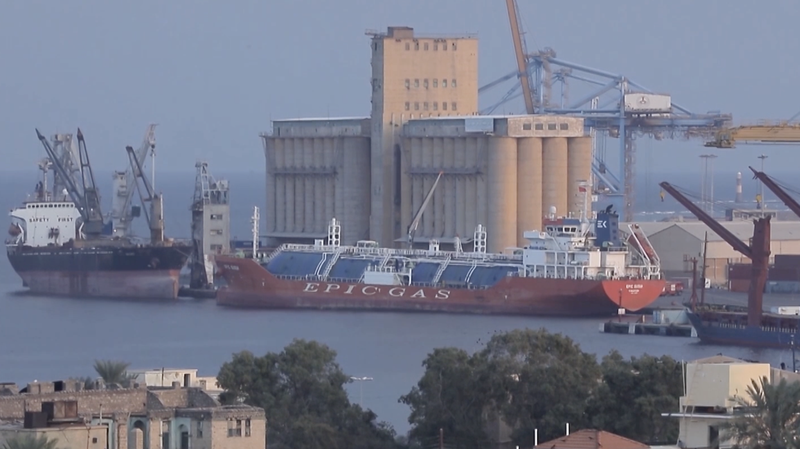
Since fighting erupted, fiber-optic trunks have been ripped out, data centers in Khartoum went dark and satellite stations got knocked offline. But deep in the Red Sea coast city of Port Sudan, a fragile network keeps the country connected 🌐.
With most undersea cables still intact near Port Sudan—backed by emergency satellite links—international traffic reroutes here. Government offices, media outlets, NGOs and millions of Sudanese rely on this lifeline to chat, bank and coordinate relief efforts 📡💬.
"We lost all three data transformers, the Tier-4 data center and the Abu Haraz satellite station entirely," says Mohammed Al-Rayeh Al-Toum, deputy director at Sudani Company. He adds that the damage exceeded 70 million dollars, but the team has since rebuilt the core data center to serve government bodies, private institutions and citizens.
Behind the scenes, engineers battle daily power cuts, security risks and gear shortages—rerouting data, firing up satellite links and praying no cable gets severed. One slip-up could leave entire regions in digital blackout ⚡😰.
Economist Mohamed Alnaye notes that when key equipment in Khartoum was destroyed, operations temporarily shifted to Port Sudan, with fresh hardware flown in to revive networks and ease the economic fallout 🏦.
As the conflict drags into 2026 with no end in sight, Port Sudan's role as Sudan's digital backbone only grows stronger—holding the country online, one data packet at a time.
Reference(s):
Port Sudan emerges as Sudan’s digital lifeline amid conflict
cgtn.com