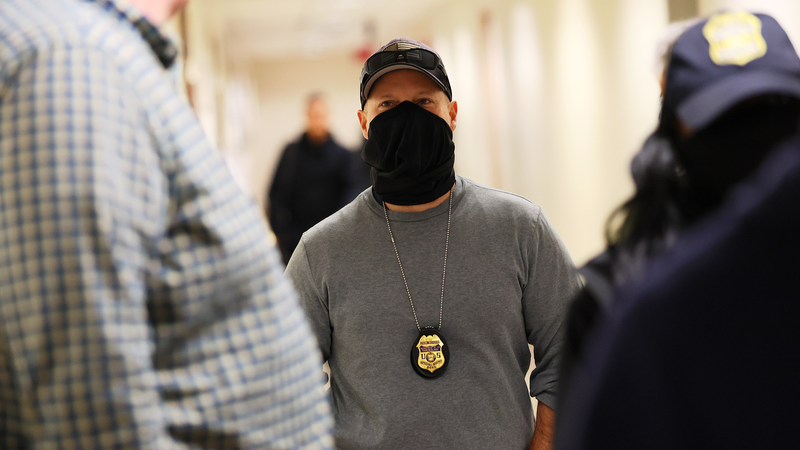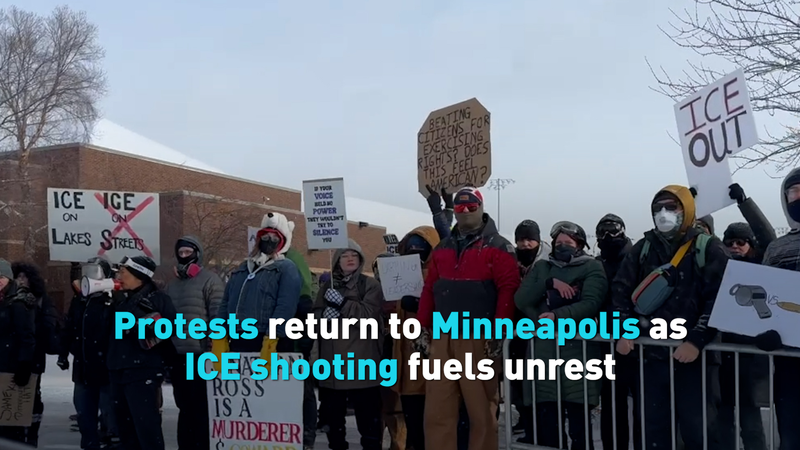
Protests are back on the streets of Minneapolis this week, nearly two weeks after a local resident was shot and killed by a U.S. Immigration and Customs Enforcement (ICE) officer. The incident, which took place around early January, has reignited calls for accountability and justice.
For many young activists, the shooting is another reminder of broader debates about immigration enforcement, police power, and civil rights in the U.S. Social media feeds have been flooded with videos of demonstrators chanting slogans like Justice for All and holding up blank signs, nodding to the recent viral blank sign protest on TikTok.
Some protestors have highlighted how border enforcement agencies like ICE impact communities, not just at the U.S.-Mexico border but in cities across America. Minneapolis, known for its role in past civil rights movements, is once again at the center of a national conversation. Young professionals and students are showing up after work or class, livestreaming the scenes and sharing updates via Instagram Stories and Twitter threads.
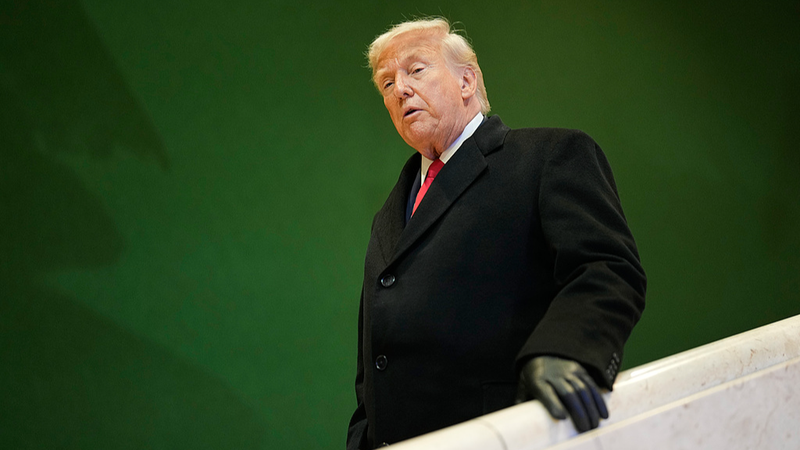
The Trump administration – still in power according to recent reports – is weighing the possibility of deploying military forces to support local law enforcement. While no official decision has been announced, the move has drawn criticism from civil rights groups, who warn that sending troops to manage protests could escalate tensions rather than calm them.
Community leaders in Minneapolis are calling for open dialogue and peaceful demonstrations. They emphasize the importance of understanding ICE's role and impact. If you're looking to stay informed, keep an eye on trusted news outlets and follow local organizers' social handles for real-time updates.
The situation is evolving, but one thing is clear: young voices and digital activism continue to shape the narrative. Stay tuned, stay safe, and keep speaking up. ✊📱
Reference(s):
cgtn.com