Ever wondered who really pays for U.S. tariffs? A German study from the Kiel Institute for the World Economy (IfW) released on Jan 19, 2026, crunched data from over 25 million U.S. import shipments (worth around $4 trillion) and found that U.S. consumers and importers footed 96% of the bill in 2025, while foreign exporters covered only 4%. 🤯
Key takeaways:
- U.S. customs revenues jumped by about $200 billion in 2025.
- Exporters didn’t cut prices to offset higher tariffs.
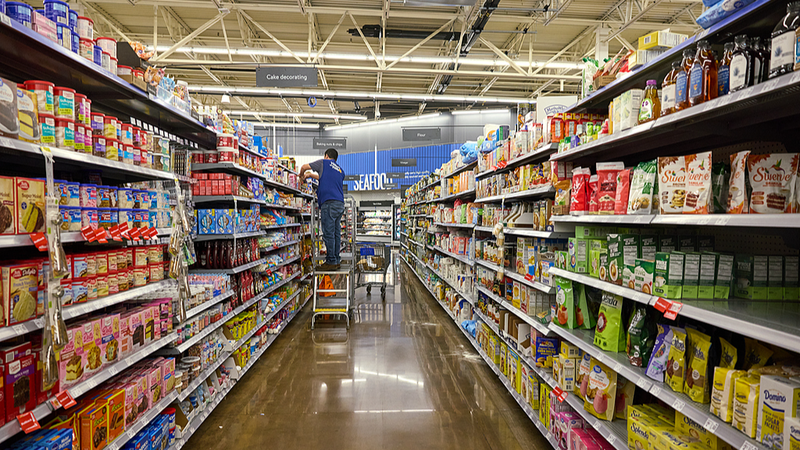
- Tariffs act like a consumption tax, hiking prices on imported goods 🛒.
- Fewer products and less variety hit U.S. stores.
Julian Hinz, head of trade policy at IfW, calls it “an own goal” for the U.S. administration. “The claim that foreign countries pay these tariffs is a myth. Americans are footing the bill,” he says.
And if that wasn’t enough, starting Feb 1, 2026, the U.S. plans a fresh 10% tariff on imports from eight European members (including Germany), stirring up more trade tensions over Greenland. ⚔️
The IfW warns that these higher tariffs could squeeze U.S. businesses’ profit margins, push consumer prices even higher, and force exporters to hunt for new markets.
For tech lovers and savvy shoppers in South and Southeast Asia, this ripple effect is worth watching. Higher U.S. tariffs can drive up costs for gadgets and goods in global supply chains—potentially shifting where brands source products and how much you pay. Stay alert, compare prices, and keep an eye on trade news to navigate these shifting tides! 🔍🌏
Reference(s):
German study finds U.S. tariff costs largely passed to American buyers
cgtn.com