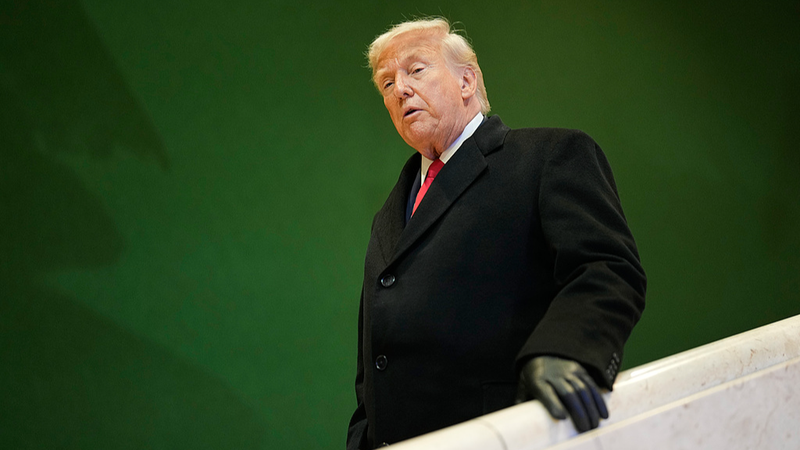
In a bold move this week, U.S. President Donald Trump doubled down on his plan to take control of Greenland, telling reporters on Tuesday, "There can be no going back!" Even when asked if he'd consider force, Trump teased, "You'll find out," as he prepared to join global leaders at the World Economic Forum in Davos. 🌍🛡️
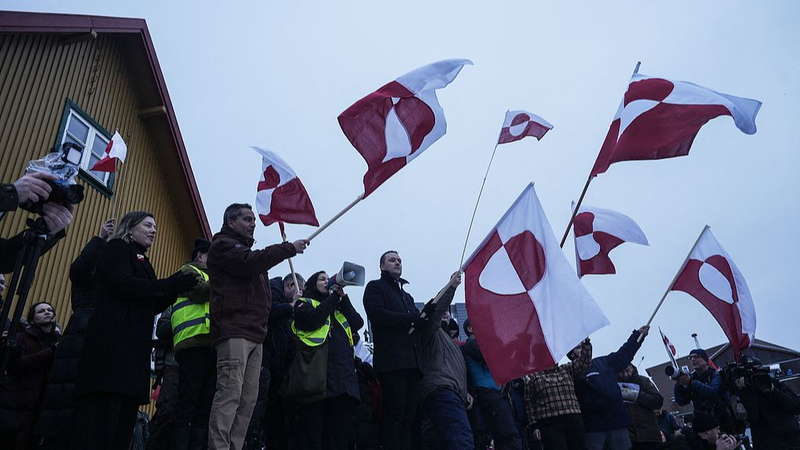
Greenland may seem far from South Asia, but it's a hot spot for climate change research, rich mineral deposits, and strategic sea routes. Sovereignty—meaning the right to govern its own land—has become the flashpoint of a tense debate on who's in charge of the Arctic.
Meanwhile, European Union leaders have pushed back hard, rejecting any "law of the strongest" approach to international affairs. At the Forum, they emphasized that respecting each region's sovereignty and following agreed rules is key to keeping trade, security, and climate cooperation on track.
Trump's ambition to purchase or seize Greenland from Denmark (another NATO member) risks straining alliances that have underpinned global security for decades. Yet, during a press conference in Switzerland, Trump offered a hint of hope: "We will work something out where NATO is going to be very happy and where we're going to be very happy."
For young people, these high-level power plays can feel distant, but they shape everything from the future of sustainable mining to global trade routes for electronics we use every day. As the Arctic ice melts and new passages open, Greenland’s fate could impact shipping lanes, data cables, and climate action plans worldwide.
With Davos talks still underway, all eyes are on whether the U.S. and EU can find common ground or if this standoff signals a deeper shift in how big players negotiate power. 🤝💡
Reference(s):
Trump vows 'no going back' on Greenland, EU rejects 'law of strongest'
cgtn.com